Kolkata
Minister Links Madrasa Survey to Security and Governance Concerns
West Bengal minister Agnimitra Paul has defended the ongoing survey of madrasas in the state, stating that the exercise is intended to enhance transparency, strengthen security measures, and ensure that students receive access to modern education. Her remarks have sparked fresh political debate over migration, security, and educational reforms in the state.


West Bengal Women and Child Development and Social Welfare Minister Agnimitra Paul on Sunday defended the state’s ongoing survey of madrasas, asserting that the exercise is necessary to ensure transparency and prevent the misuse of educational institutions by unlawful elements.
Speaking to reporters, Paul said the survey is intended to ensure that West Bengal does not become a safe haven for terrorists or infiltrators. She emphasized that educational institutions must operate within established legal and administrative frameworks and that the government is committed to maintaining security while promoting quality education.
The minister also stressed the importance of integrating Muslim students into the mainstream through modern and inclusive education. According to her, access to contemporary educational opportunities is essential for improving employment prospects, social mobility, and overall development among young people.

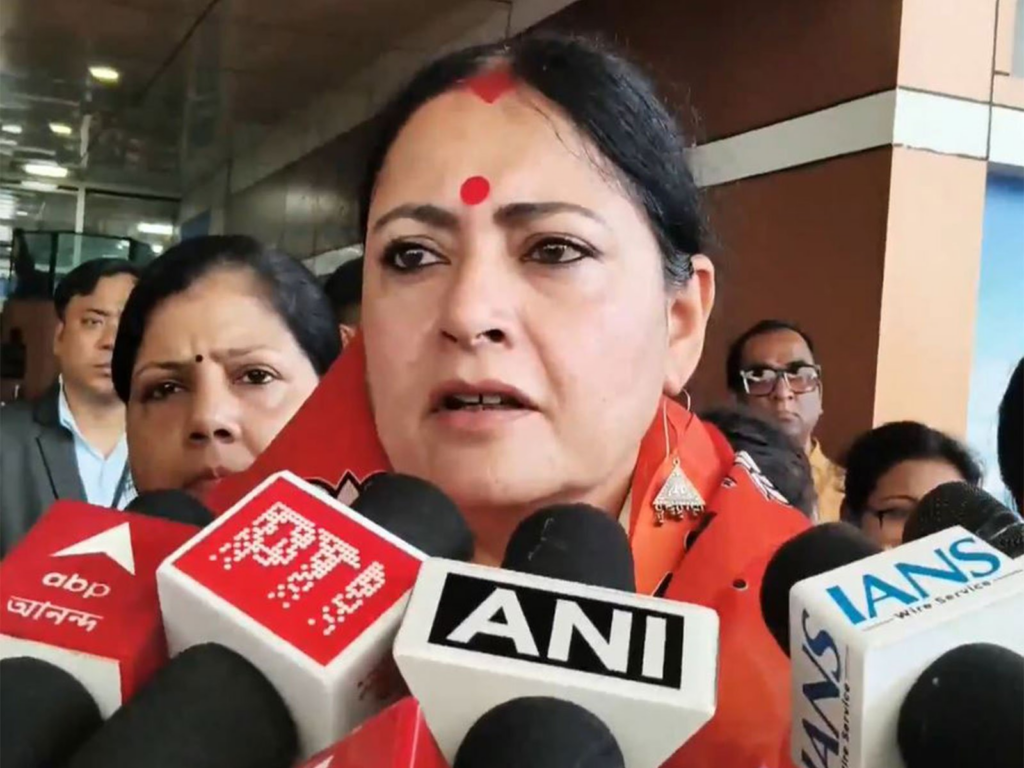
Paul alleged that illegal infiltration, including the entry of Rohingyas and other undocumented migrants, had been encouraged during the previous All India Trinamool Congress administration as well as during the earlier Left Front governments. She claimed that such policies over several decades had contributed to challenges related to security and governance in the state.
The remarks come amid ongoing political discussions over migration, border security, and educational oversight in West Bengal. While supporters of the survey argue that it will improve transparency and accountability, critics have expressed concerns over its implementation and potential impact on educational institutions.
The issue is expected to remain a key subject of political debate as authorities continue the survey process and stakeholders from different communities weigh in on its objectives and implications.
The government has maintained that the exercise is focused on administrative assessment and educational development while ensuring compliance with relevant regulations and security requirements.