Business
Farmers Across Asia Brace for Impact of Severe El Niño
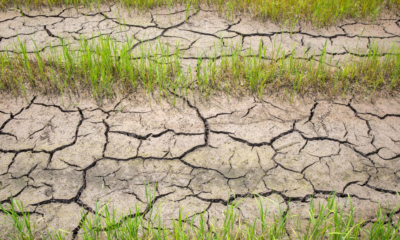
Persistent dry weather across key agricultural regions in Asia, coupled with the prospect of a severe El Niño event later this year, is raising concerns about food production and supply. Farmers across major grain, rice, and palm oil-producing countries are facing mounting challenges from inadequate rainfall, extreme heat, and rising input costs.

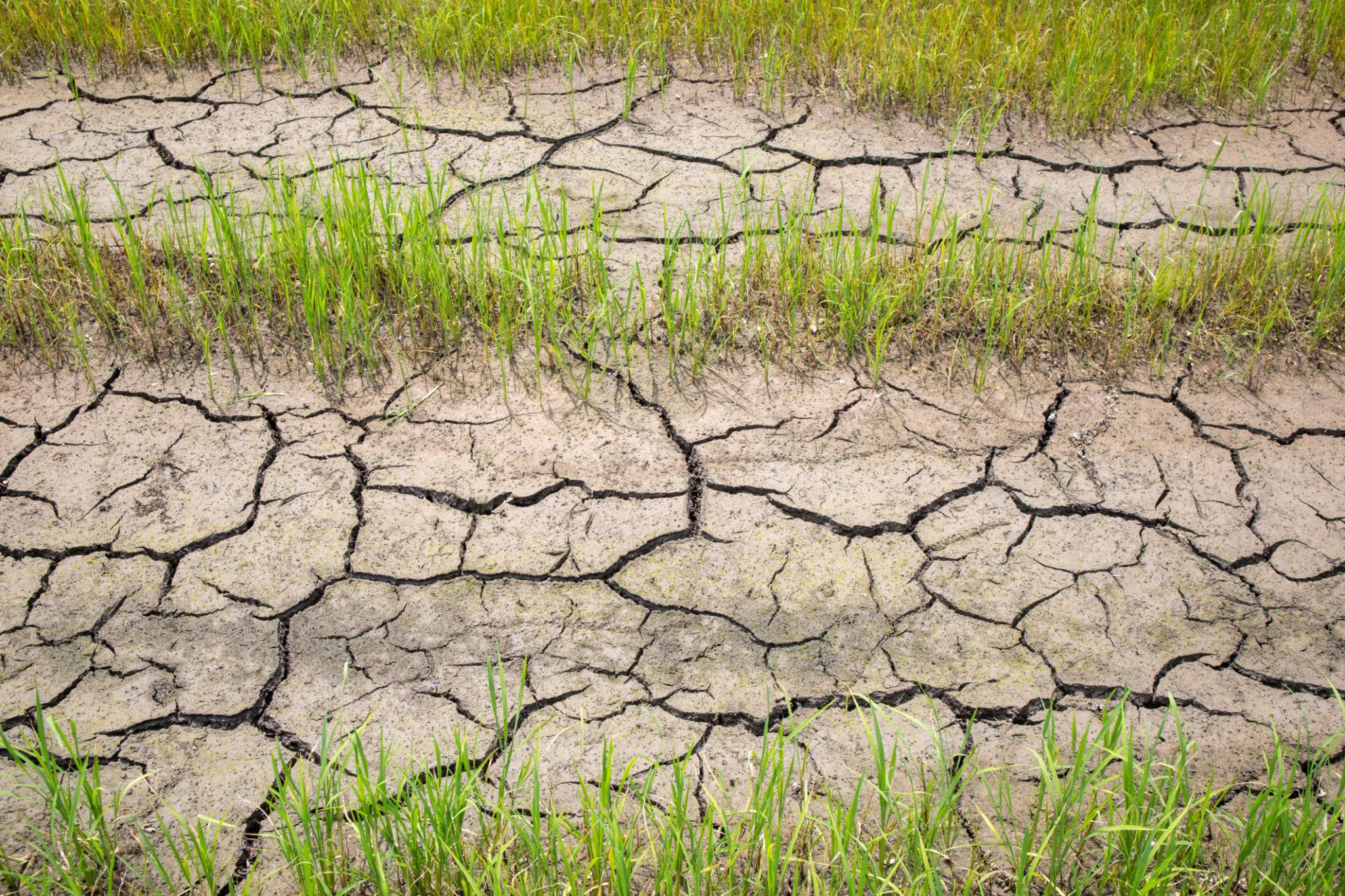
Agricultural production across Asia is coming under increasing pressure as prolonged dry weather disrupts crop planting in several major food-producing countries. Experts warn that the situation could worsen significantly with the expected arrival of a strong El Niño event during the second half of 2026.
From India’s grain-producing northwestern plains to Australia’s eastern wheat belt, and from Thailand’s rice-growing regions to Indonesia’s extensive palm oil plantations, farmers are grappling with below-normal rainfall and unusually high temperatures. Agricultural analysts and traders report that these conditions are already reducing planting activity and affecting crop development.
The anticipated El Niño phenomenon is expected to intensify dry conditions across much of Asia, creating additional challenges for farmers already facing shortages of fertilizers and diesel linked to disruptions caused by the ongoing Iran conflict. Higher input costs and supply constraints have further increased pressure on agricultural producers.

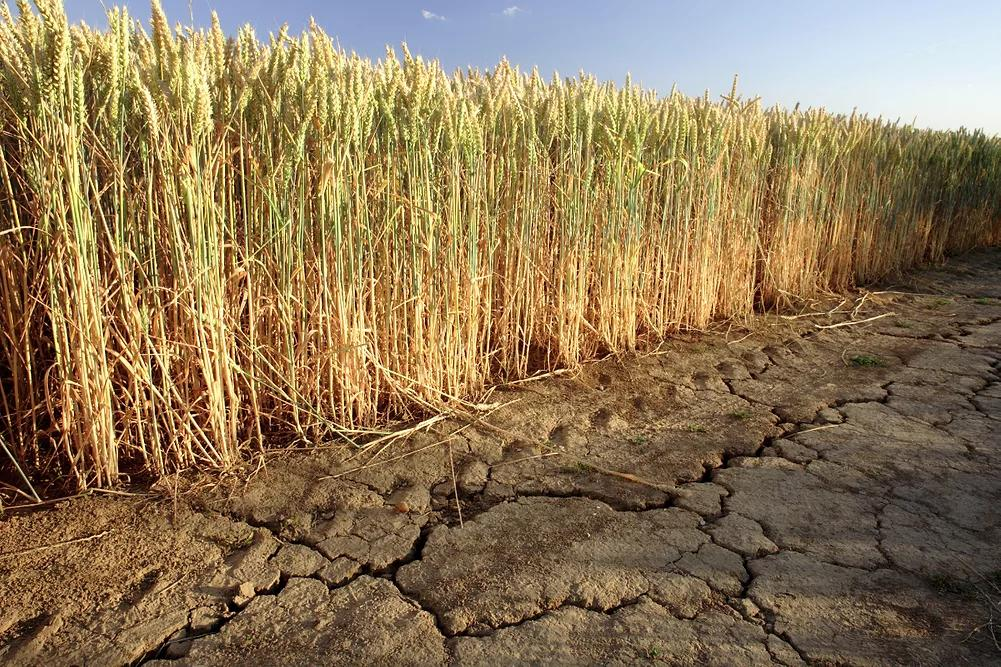
Global commodity markets are beginning to reflect these concerns. Wheat prices have risen by approximately 20 percent since the beginning of the year, driven largely by drought-related worries in key growing regions, including the United States. Meanwhile, rice prices at major Southeast Asian export hubs have increased by around 15 percent over the past month amid fears of tighter supplies and rising production costs.
Climate experts expect one of the strongest El Niño events on record to develop later this year. Such events typically bring hotter and drier conditions to many parts of Asia while causing heavier rainfall in parts of the Americas. Scientists also warn that climate change may amplify the severity and unpredictability of these weather patterns.
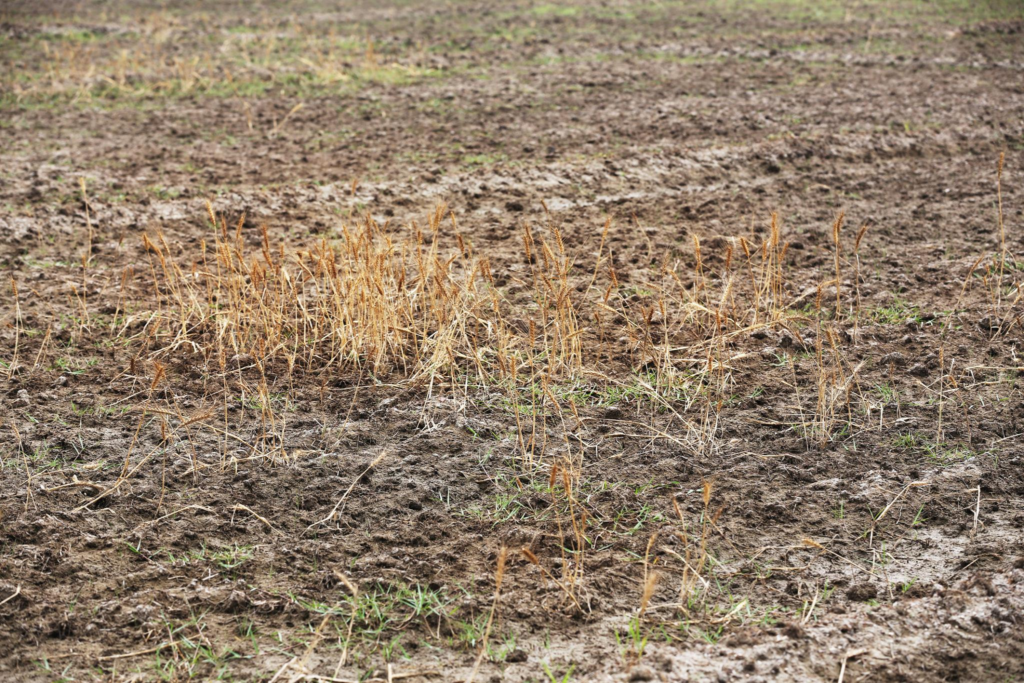
In India, the India Meteorological Department (IMD) recently lowered its forecast for the southwest monsoon season, which provides nearly 70 percent of the country’s annual rainfall. Any significant shortfall could affect agricultural output, water availability, and rural incomes.
Despite the emerging concerns, India currently remains well-stocked with rice after several years of near-record harvests. As the world’s largest rice exporter, accounting for roughly 40 percent of global rice exports, India’s inventory levels are expected to provide some cushion against immediate supply shocks. However, sustained adverse weather conditions could alter the outlook if crop production is affected in the coming months.
Analysts caution that continued drought conditions and the arrival of a strong El Niño could have far-reaching implications for global food security, inflation, and agricultural trade, particularly in densely populated regions that rely heavily on stable crop production.