Business
Fuel Supply Restrictions Highlight Energy Security Challenges
The Centre’s decision to restrict diesel purchases through petrol pumps has sparked concerns among hospitals, IT parks, data centres and industrial facilities that depend heavily on diesel generators for backup and operational continuity. Industry leaders warn that the move, though aimed at preventing shortages and hoarding, could disrupt critical services if alternative supply arrangements are not streamlined.

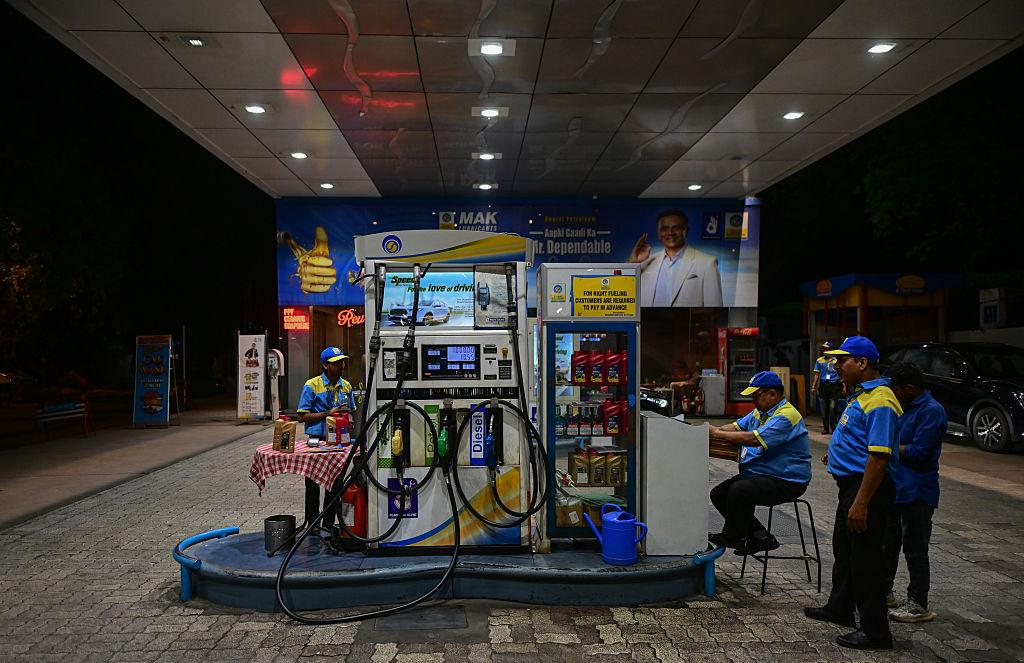
The Central government’s recent decision to restrict diesel purchases through retail fuel outlets is raising concerns among sectors that rely extensively on diesel generators to maintain uninterrupted operations.
Hospitals, IT campuses, data centres, manufacturing units and other institutional facilities have expressed apprehension that the new norms could complicate fuel procurement and affect operational resilience.
Under a notification issued on June 11, the government barred industrial, commercial and institutional consumers from purchasing diesel from petrol pumps and capped retail sales at 200 litres of High-Speed Diesel (HSD) per customer or vehicle per day.

The measure was introduced as a temporary step to conserve fuel supplies, prevent hoarding, and curb diversion of diesel meant for ordinary retail consumers amid disruptions in global supply chains linked to the ongoing crisis in West Asia.
However, industry executives argue that diesel generators continue to play a crucial role across several sectors, not merely as emergency backups but also as regular power sources during periods of high electricity demand or grid instability.
Sectors Expressing Concern
Several industries are likely to be affected by the restrictions:
- Hospitals: Depend on diesel generators to ensure uninterrupted power for intensive care units, operation theatres, diagnostic equipment and life-support systems.
- IT Campuses: Use backup power systems to support round-the-clock operations and maintain business continuity.
- Data Centres: Require continuous electricity supply to protect critical digital infrastructure, prevent downtime and safeguard sensitive information.
- Industrial Facilities: Often rely on diesel generators during peak-demand periods or in areas with unreliable grid connectivity.
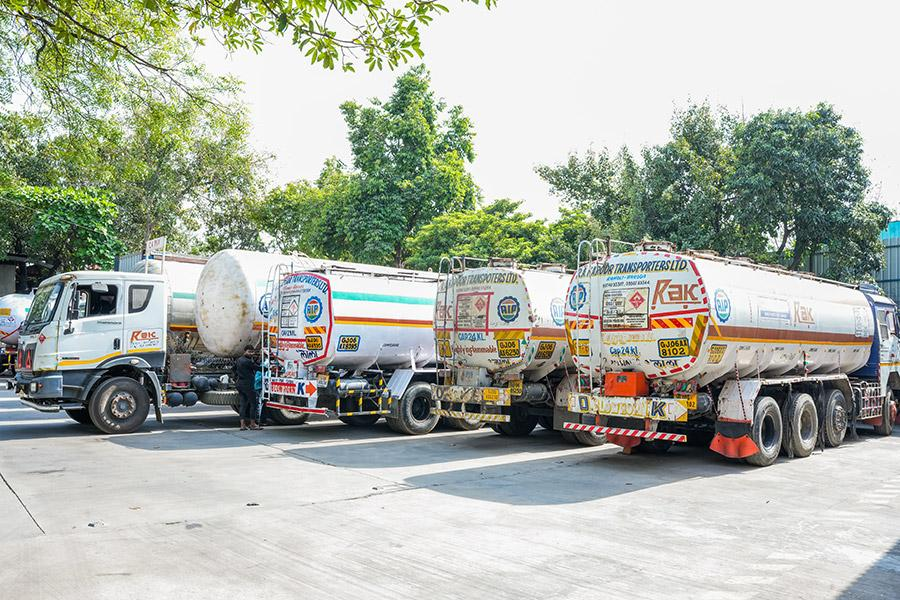
Industry representatives noted that large facilities typically procure diesel in bulk through established channels but may occasionally depend on retail outlets to bridge immediate shortages.
Concerns Over Supply Disruptions
Executives fear that restrictions at petrol pumps could create logistical challenges if dedicated supply chains are unable to meet urgent requirements promptly.
Some stakeholders have urged the government to clarify implementation procedures and ensure that essential services receive uninterrupted access to fuel through consumer pumps and authorised suppliers.
They emphasised that sectors providing critical infrastructure and public services should be insulated from unintended disruptions arising from emergency conservation measures.
Government’s Rationale
The government has maintained that the restrictions are temporary in nature and are intended to:
- Prevent panic buying and hoarding,
- Maintain adequate fuel availability for ordinary consumers and farmers,
- Ensure fair distribution of essential commodities,
- Protect supply chains during periods of international uncertainty.
The order is expected to remain in force for up to 90 days, during which authorities will monitor market conditions and fuel availability.
Balancing Conservation and Continuity
The development highlights the challenge of balancing energy security with operational continuity.
While policymakers seek to preserve fuel supplies amid geopolitical volatility, businesses and institutions are calling for practical mechanisms that safeguard critical services from disruptions.
Industry experts suggest that clearer guidelines, priority allocations for essential sectors, and streamlined access through consumer pumps could help address concerns while achieving the government’s conservation objectives.
As stakeholders await further clarification, the effectiveness of the restrictions will likely depend on how efficiently alternative procurement channels can support sectors where diesel remains indispensable.