Health & Lifestyle
State-Wise Contingency Plans Prepared to Tackle El Niño Challenges
Agriculture Minister Shivraj Singh Chouhan has said that the government has identified 197 districts across India as being most vulnerable to the impact of El Niño. State-specific contingency plans have been prepared, while a nationwide awareness campaign has been launched to help farmers mitigate potential risks.

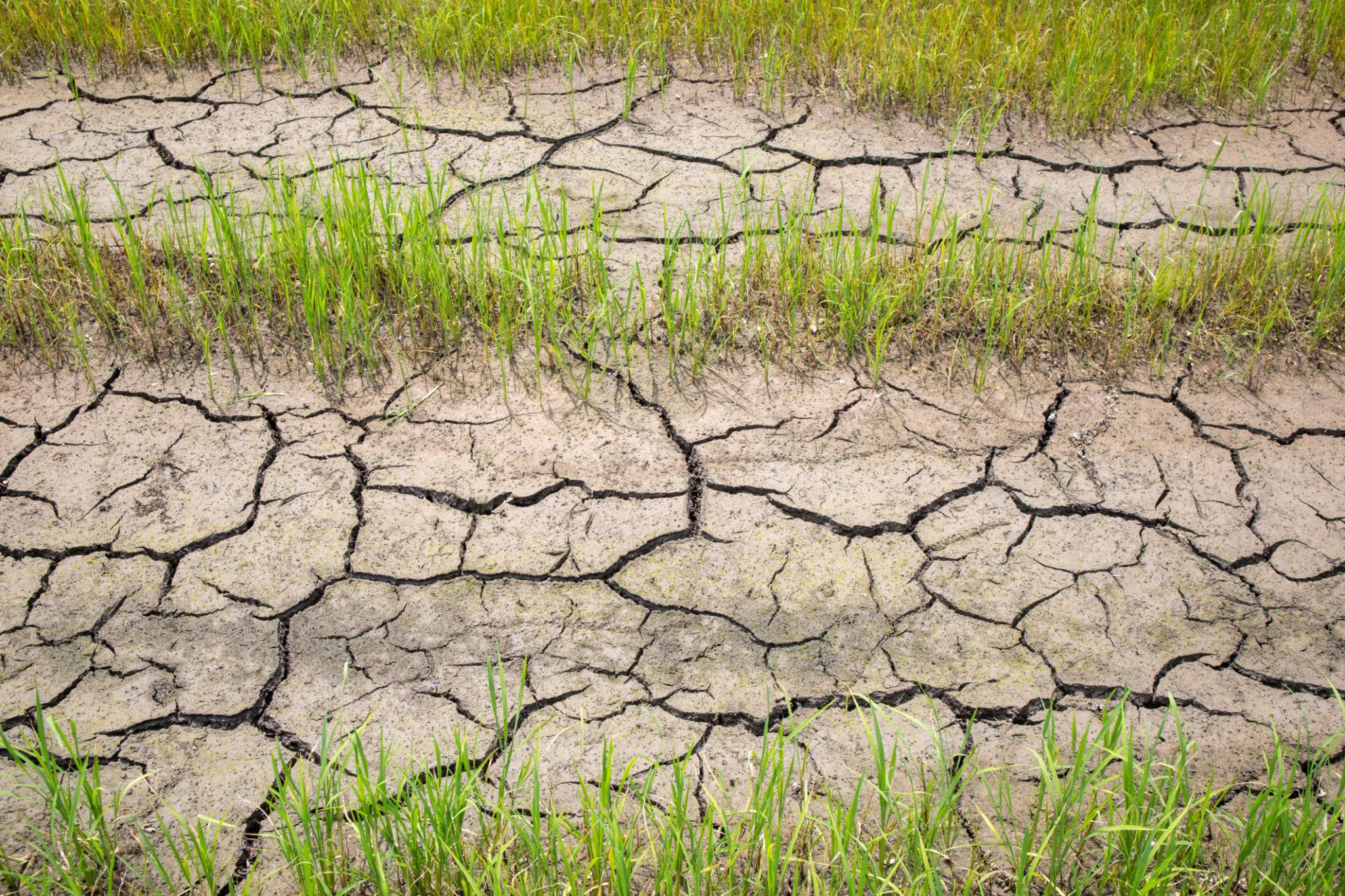
Union Agriculture Minister Shivraj Singh Chouhan on Tuesday said the government has identified 197 districts across the country as the most vulnerable to the potential effects of El Niño, and has drawn up comprehensive contingency plans to address possible challenges.
Speaking to reporters, Chouhan said that concerns regarding El Niño remain a constant focus for the ministry.
“The concern about El Niño is always on my mind 24×7. Not definitive, but 197 districts are identified as most vulnerable,” he said.
The minister noted that the Ministry of Agriculture and Farmers Welfare has prepared state-wise contingency plans to help farmers and local administrations respond effectively to any adverse weather conditions that may arise due to the climate phenomenon.

To strengthen preparedness at the grassroots level, the ministry has also launched a nationwide awareness initiative titled Khet Bachao Abhiyan. The campaign aims to educate farmers on preventive measures, crop management strategies, water conservation practices, and adaptive techniques to minimise potential losses.
El Niño is a periodic warming of sea surface temperatures in the central and eastern Pacific Ocean that can disrupt normal weather patterns across the globe. In India, it is often associated with below-normal monsoon rainfall, which can adversely affect agricultural productivity, water availability, and rural livelihoods.
Officials said the identification of vulnerable districts is based on scientific assessments and historical climate patterns. The contingency plans include recommendations on alternative crops, drought-resistant varieties, irrigation management, input supply mechanisms, and advisory services tailored to regional conditions.

The government’s proactive approach reflects growing emphasis on climate resilience in agriculture, particularly as extreme weather events increasingly affect farming communities. By combining preparedness planning with farmer awareness, authorities hope to reduce the impact of weather-related uncertainties on the agricultural sector.
With the Kharif season underway, the ministry has urged farmers to remain informed through official advisories and make use of extension services to safeguard their crops and livelihoods.