Kolkata
LPG, Petrol, Diesel and CNG Prices Climb Amid Global Market Volatility
Domestic cooking gas prices have been increased by ₹29 per cylinder across India, taking the price of a 14.2-kg LPG cylinder in Delhi to ₹942. The hike comes amid rising global energy costs, continued pressure on state-run oil companies, and broader increases in fuel prices across the country.

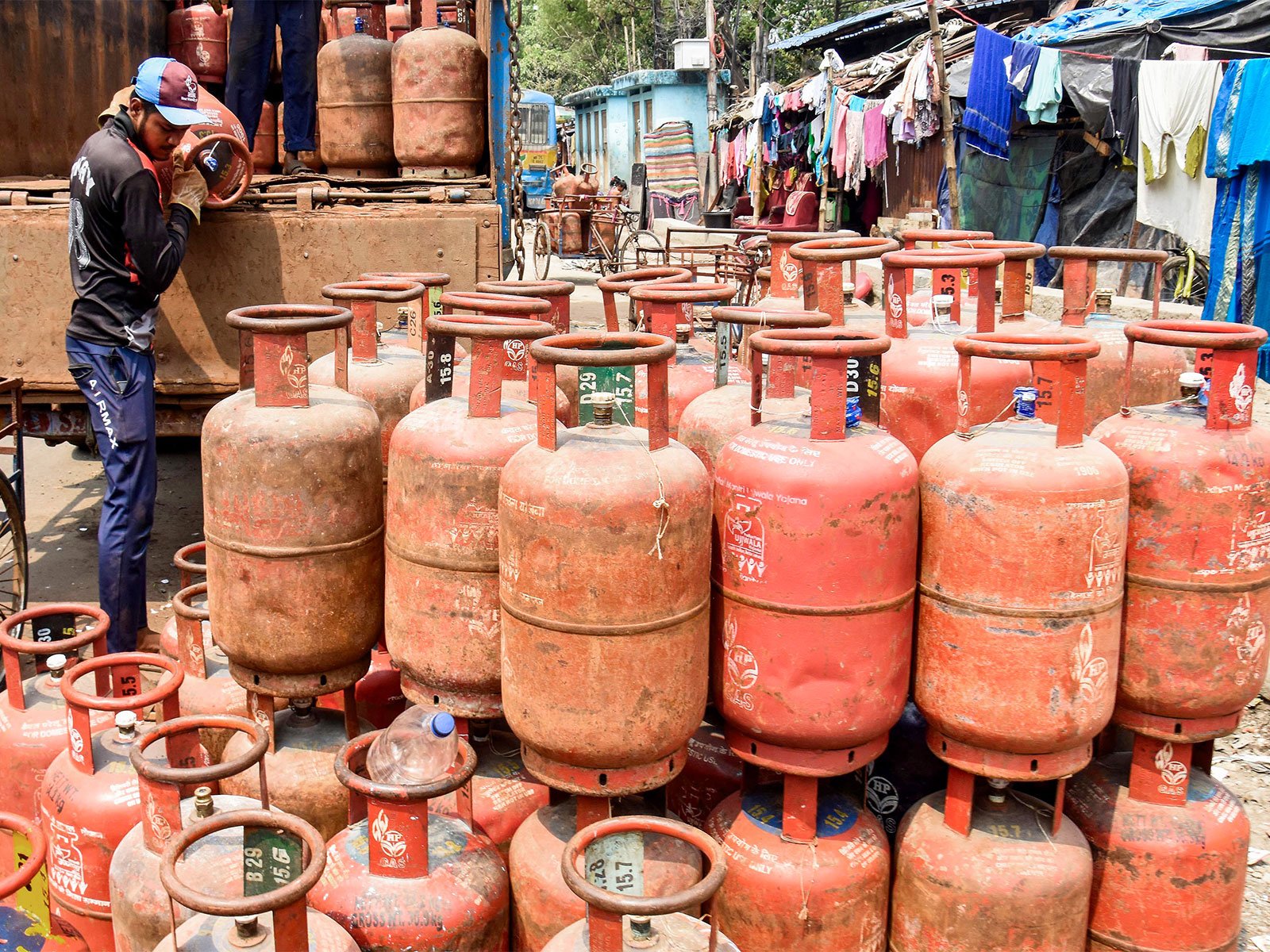
Domestic cooking gas (LPG) prices have been increased by ₹29 per 14.2-kg cylinder, marking the second hike in the past three months. According to industry sources, the revised prices came into effect on June 7 and reflect continued pressure from elevated global energy costs.
In New Delhi, the price of a domestic LPG cylinder has risen from ₹913 to ₹942. The latest increase follows a ₹60-per-cylinder hike in March, which was implemented after geopolitical tensions in West Asia disrupted global energy supplies and pushed up international fuel prices.
Industry officials stated that despite the previous revision, state-owned oil marketing companies continued to incur substantial losses on domestic LPG sales. Before the latest adjustment, losses were estimated at around ₹703 per cylinder, making a price revision necessary to partially offset mounting costs.

Revised LPG Prices Across Major Cities
| City | New Price | Old Price |
|---|---|---|
| New Delhi | ₹942.00 | ₹913.00 |
| Mumbai | ₹941.40 | ₹912.50 |
| Kolkata | ₹968.00 | ₹939.00 |
| Bengaluru | ₹944.50 | ₹915.50 |
| Chennai | ₹957.50 | ₹928.50 |
| Hyderabad | ₹996.00 | ₹967.00 |
| Lucknow | ₹980.00 | ₹951.00 |
| Jaipur | ₹945.50 | ₹916.50 |
| Patna | ₹1,031.50 | ₹1,002.50 |
The LPG revision comes amid a broader rise in fuel prices. Petrol and diesel rates have reportedly increased by a cumulative ₹7.50 per litre since mid-May, while Compressed Natural Gas (CNG) prices have gone up by nearly ₹6 per kilogram.
Despite these increases, industry sources indicate that oil marketing companies continue to face losses on petrol and diesel sales, estimated at around ₹11 per litre on petrol and ₹33.6 per litre on diesel. These losses are attributed to the government’s decision to limit the full pass-through of higher international fuel costs to consumers.
The continued volatility in global crude oil markets, coupled with geopolitical uncertainties and supply concerns, has placed significant pressure on India’s energy pricing framework. While recent revisions are intended to reduce losses for state-run fuel retailers, authorities have so far sought to cushion consumers from the full impact of rising international prices.
Market observers believe future fuel price movements will depend largely on global crude oil trends, geopolitical developments, and the stability of international energy supply chains.