Health & Lifestyle
IMD Says Neutral IOD Unlikely to Offset El Niño Impact
The India Meteorological Department has said that El Niño conditions have emerged over the equatorial Pacific Ocean and are expected to intensify during the Southwest Monsoon season. The weather agency has forecast below-normal rainfall across the country between June and September, while neutral Indian Ocean Dipole conditions are likely to persist.

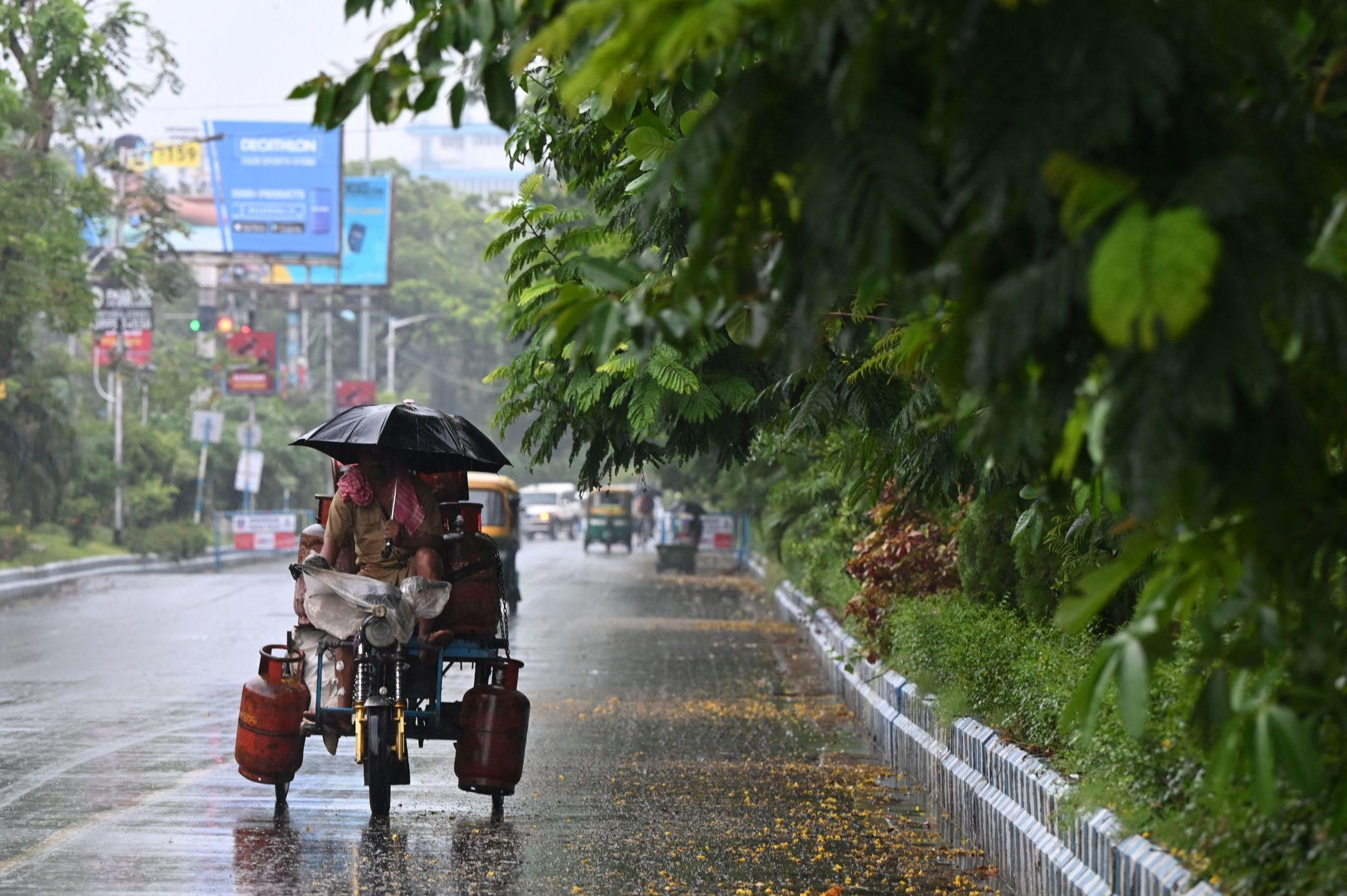
The India Meteorological Department (IMD) has indicated that El Niño conditions have developed over the equatorial Pacific Ocean and are likely to strengthen further during the ongoing Southwest Monsoon season, raising concerns over the distribution and intensity of rainfall across India.
According to the IMD, Sea Surface Temperatures (SSTs) in the central tropical Pacific Ocean exceeded the threshold required for El Niño conditions in June 2026, confirming the onset of the climate phenomenon.
El Niño is a naturally occurring climate pattern characterised by warmer-than-normal sea surface temperatures in the central and eastern equatorial Pacific Ocean. It often influences global weather systems and has historically been associated with weaker monsoon rainfall over the Indian subcontinent.
The weather agency noted that the last El Niño event occurred in 2023, and the present conditions are expected to become more pronounced as the monsoon season progresses.
Neutral Indian Ocean Dipole to Continue
The IMD further stated that neutral Indian Ocean Dipole (IOD) conditions currently prevail over the Indian Ocean and are likely to continue until the end of the southwest monsoon season.
The Indian Ocean Dipole refers to the difference in sea surface temperatures between the western and eastern Indian Ocean. Positive IOD conditions can sometimes offset the adverse impact of El Niño on the Indian monsoon by enhancing rainfall.
However, a neutral IOD suggests that it is unlikely to significantly amplify or counterbalance the effects of El Niño this year, potentially limiting any compensatory influence on rainfall patterns.
Below-Normal Monsoon Forecast
In its Second Stage Long Range Forecast for the 2026 Southwest Monsoon, the IMD has predicted below-normal rainfall across the country during the June-September period.
The southwest monsoon contributes nearly 70 per cent of India’s annual rainfall and plays a crucial role in agriculture, water resources, hydroelectric generation, and the broader economy.

A weaker-than-normal monsoon could have implications for:
- Agricultural output and crop sowing patterns,
- Reservoir and groundwater replenishment,
- Rural incomes and consumption,
- Food prices and inflation trends,
- Hydropower generation and water availability.
Monitoring the Evolving Situation
Despite the forecast, meteorologists emphasise that monsoon rainfall can vary significantly across regions, and periodic updates will provide a clearer picture of spatial and temporal distribution.
The IMD is expected to continue monitoring oceanic and atmospheric conditions closely and issue regular advisories to assist policymakers, farmers, disaster management agencies, and the public in planning and preparedness.
The latest outlook highlights the importance of adaptive strategies and contingency measures as India prepares to navigate a monsoon season shaped by evolving global climate influences.