National
Apex Court Reaffirms Limits on Judicial Intervention During Elections
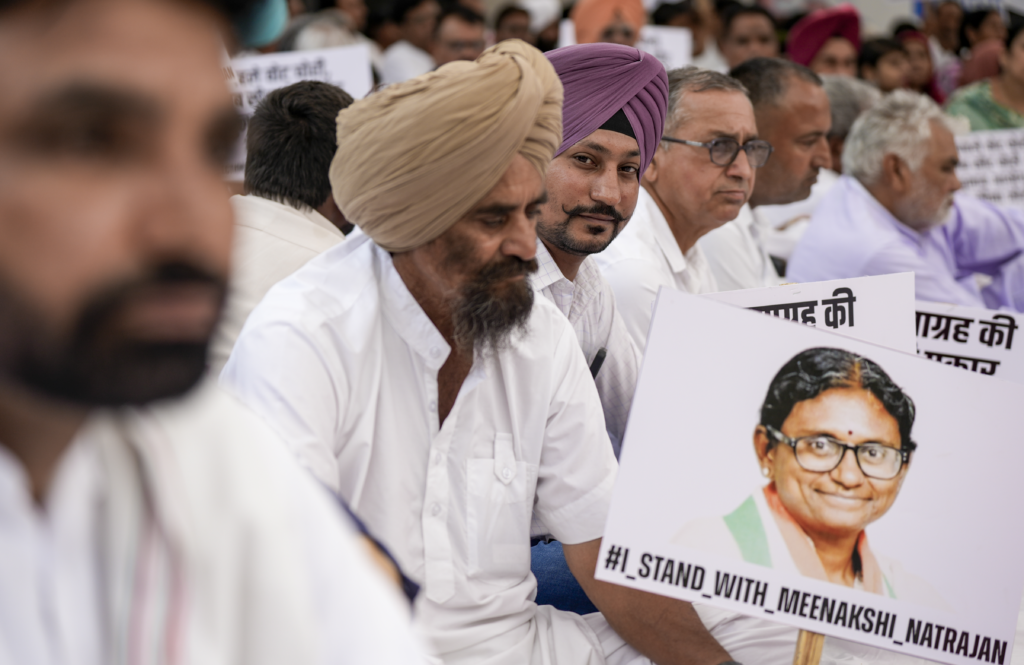
The Supreme Court has dismissed Congress leader Meenakshi Natarajan’s challenge against the rejection of her Rajya Sabha nomination papers from Madhya Pradesh, reiterating that courts generally refrain from intervening in the electoral process. However, the apex court granted her the liberty to pursue the matter through an election petition after the completion of the election process.

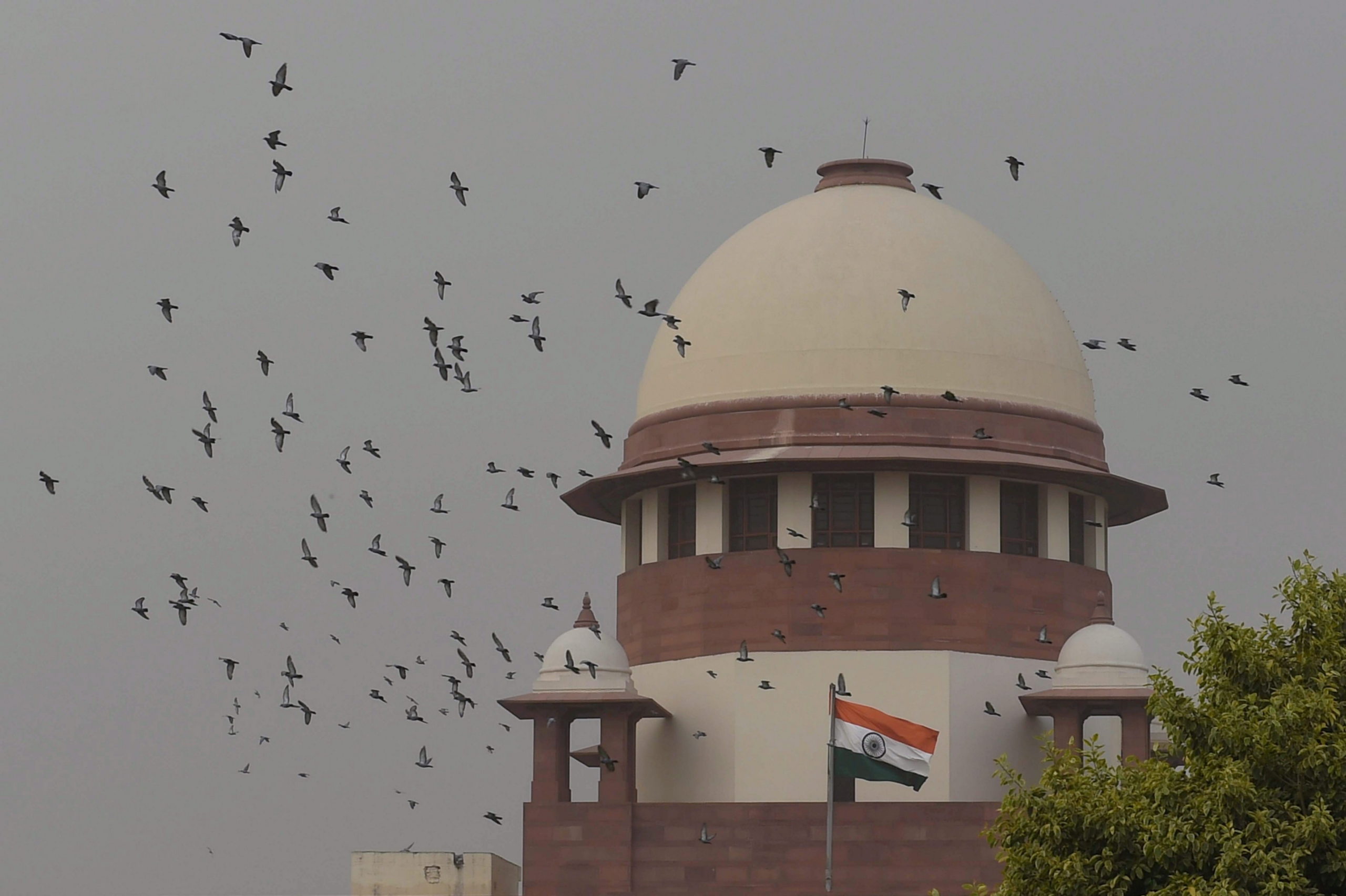
The Supreme Court of India on Friday dismissed a plea filed by Congress leader Meenakshi Natarajan, challenging the rejection of her nomination papers for the Rajya Sabha election from Madhya Pradesh.
A bench comprising Justice Prashant Kumar Mishra and Justice Atul S. Chandurkar declined to interfere with the electoral process, while granting Natarajan the liberty to challenge the rejection through an election petition in accordance with the law.
During the hearing, Senior Advocate Abhishek Singhvi, appearing on behalf of Natarajan, argued that the Supreme Court could exercise its jurisdiction under Article 32 of the Constitution to correct what he described as a “glaring and manifest” error in the rejection of her nomination papers.

However, the apex court rejected the contention and reiterated the constitutional principle that judicial intervention during the election process is generally barred.
The bench observed that whenever litigants have attempted to invoke the jurisdiction of the Supreme Court under Article 32 or that of the High Courts under Article 226 while elections are underway, courts have consistently refrained from interfering due to the constitutional mandate contained in Article 329(b) of the Constitution.
Article 329(b) provides that disputes relating to elections should ordinarily be addressed through election petitions after the electoral process has concluded, rather than through judicial intervention during the conduct of elections.
By allowing Natarajan to pursue an election petition, the court preserved her right to challenge the rejection while maintaining the constitutional principle of non-interference in ongoing electoral proceedings.
The ruling once again underscores the judiciary’s long-standing position that electoral disputes should be resolved through the mechanisms specifically provided under election laws, ensuring that the democratic process is not disrupted midway.
The decision is likely to be cited in future cases involving challenges to nominations and other election-related grievances raised during the course of elections.