Kolkata
West Bengal Announces Annapurna Scheme Offering Rs 3,000 to Women
West Bengal Chief Minister Suvendu Adhikari announced the rollout of the Annapurna Scheme, under which eligible women beneficiaries will receive Rs 3,000 in direct financial assistance, while the government prepares a verified beneficiary database linked to welfare delivery and citizenship-related scrutiny.

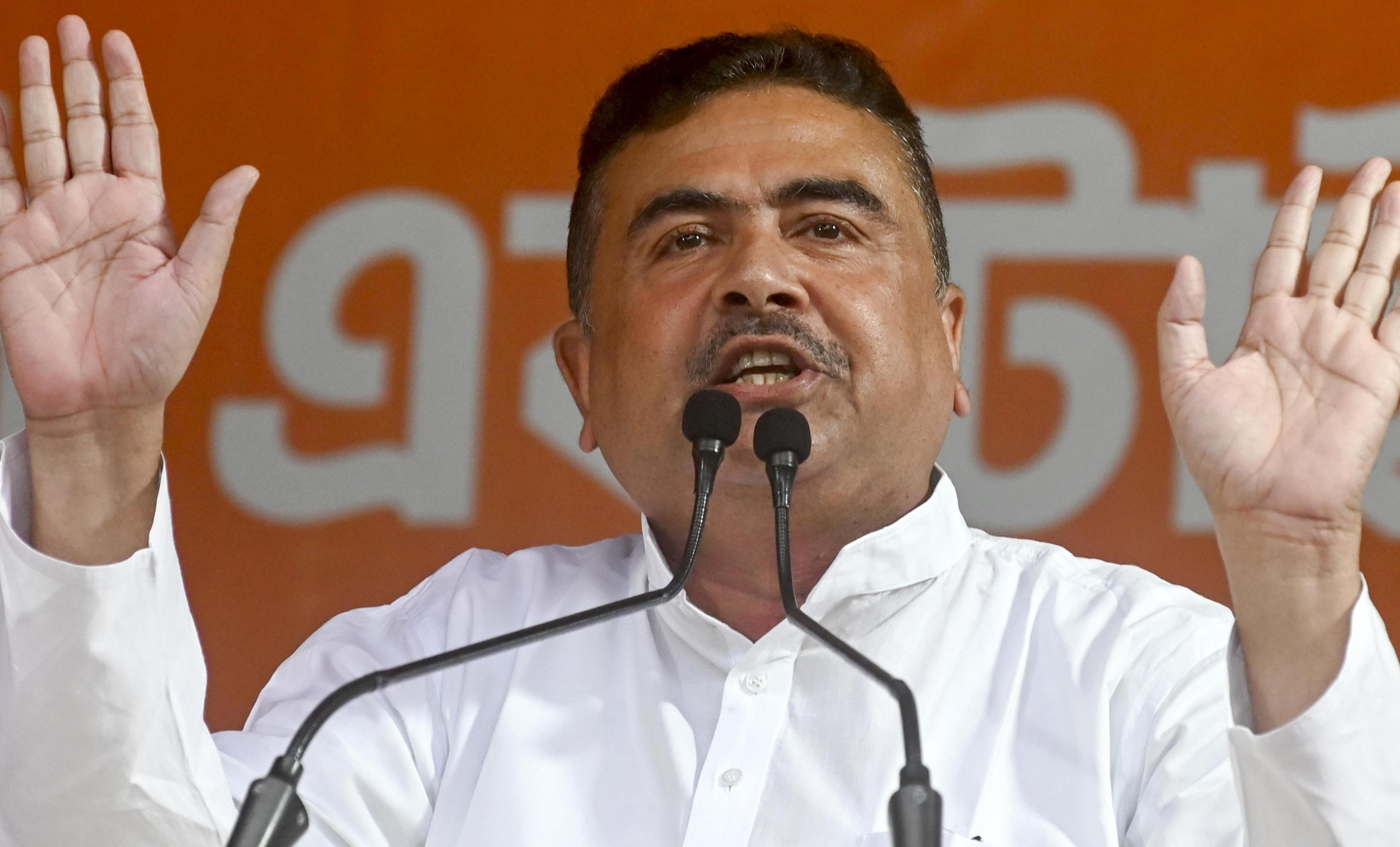
Suvendu Adhikari on Wednesday announced the implementation of the Annapurna Scheme in West Bengal, stating that the initiative was a major promise made in the Bharatiya Janata Party manifesto during the Assembly elections.
Speaking in Howrah, Adhikari said that eligible women beneficiaries under the scheme would receive direct financial assistance of Rs 3,000 each. He added that the government intends to ensure that welfare benefits reach only genuine and eligible residents through a detailed verification process.
According to the Chief Minister, nearly three million individuals have neither applied under the Citizenship Amendment Act nor approached tribunals for appeal after adjudication. He stated that the government is reviewing beneficiary records to prepare a “clean and accurate list” for welfare distribution.
However, Adhikari clarified that individuals who have already applied under the CAA or those who have filed appeals before tribunals would be treated as exceptions during the verification process.
The state government is launching a dedicated application form through the Department of Women and Child Development to collect beneficiary information. The administration, including the Chief Secretary and Finance Secretary, will oversee the exercise to ensure transparency and proper implementation.
Officials said the data collection process would also help the government identify families for additional welfare schemes in the future. The Chief Minister emphasised that the information gathered would support broader social welfare planning and targeted delivery of government assistance.
The announcement has triggered political discussion in the state, particularly regarding the linkage between welfare distribution, citizenship documentation, and beneficiary identification mechanisms.