Business
Tea Garden Workers in Bengal to Receive Healthcare and Education Support
West Bengal is set to roll out the Pradhan Mantri Cha Shramik Protsahan Yojana after constituting the mandatory State Level Committee. The move paves the way for the release of ₹314 crore aimed at improving the welfare of tea garden workers through better healthcare, education, and essential amenities.

In a major development for the welfare of tea plantation workers, West Bengal is set to implement the Pradhan Mantri Cha Shramik Protsahan Yojana, following the constitution of the mandatory State Level Committee (SLC) by the state government.
According to a Tea Board India official, the formation of the SLC has cleared the way for the release of approximately ₹314 crore earmarked for the welfare of tea garden workers in the state.


The centrally sponsored scheme is designed to improve the quality of life of workers employed in the tea industry by providing access to enhanced social infrastructure and welfare facilities. It is expected to benefit more than 10 lakh tea garden workers across 1,210 tea estates located in Assam and West Bengal.
Under the programme, tea workers and their families will receive support through improved healthcare facilities, educational infrastructure, and resting amenities, addressing long-standing welfare concerns in the plantation sector.
Officials noted that the scheme had remained unimplemented in West Bengal for nearly two years, as the required State Level Committee had not been constituted by the previous All India Trinamool Congress government led by Mamata Banerjee.
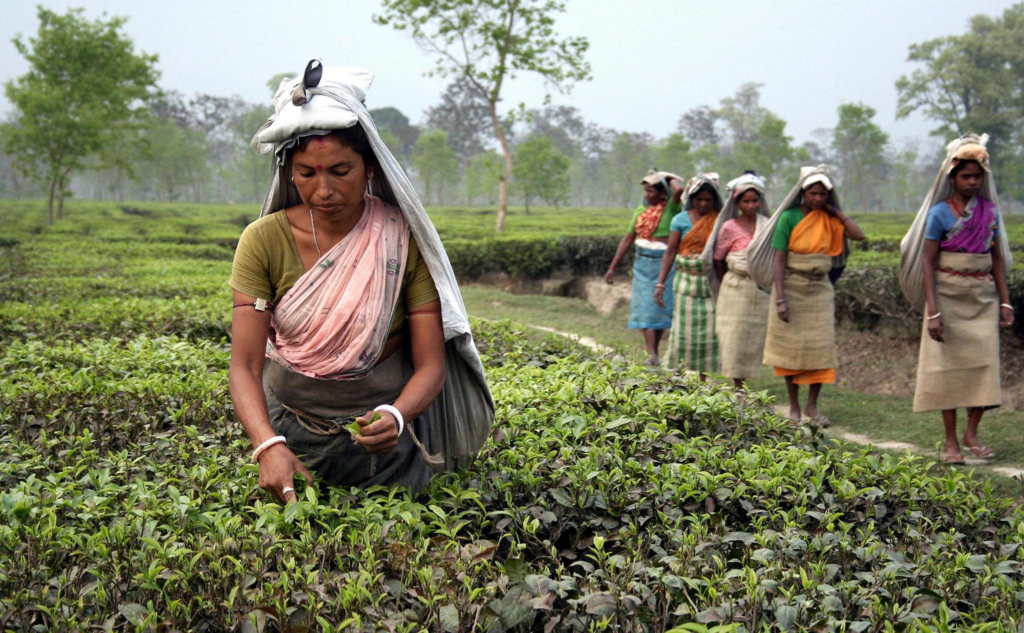

With the procedural requirement now fulfilled, authorities expect the release of funds to facilitate the execution of projects aimed at improving living and working conditions in tea-growing regions, particularly in North Bengal, where thousands of families depend on the tea industry for their livelihoods.
The tea sector remains one of the largest employers in eastern and northeastern India, and the implementation of the scheme is expected to have a significant socio-economic impact by strengthening welfare support systems and enhancing human development indicators among plantation communities.



Officials believe the initiative will not only improve the well-being of tea workers but also contribute to the long-term sustainability and productivity of the tea industry by addressing critical gaps in social infrastructure.