Business
RBI Finalises Norms Balancing Credit Growth and Risk Management
The Reserve Bank of India has issued final amendment directions permitting commercial banks to extend credit to Real Estate Investment Trusts and Infrastructure Investment Trusts, while retaining safeguards on exposure limits, asset quality, and repayment norms.

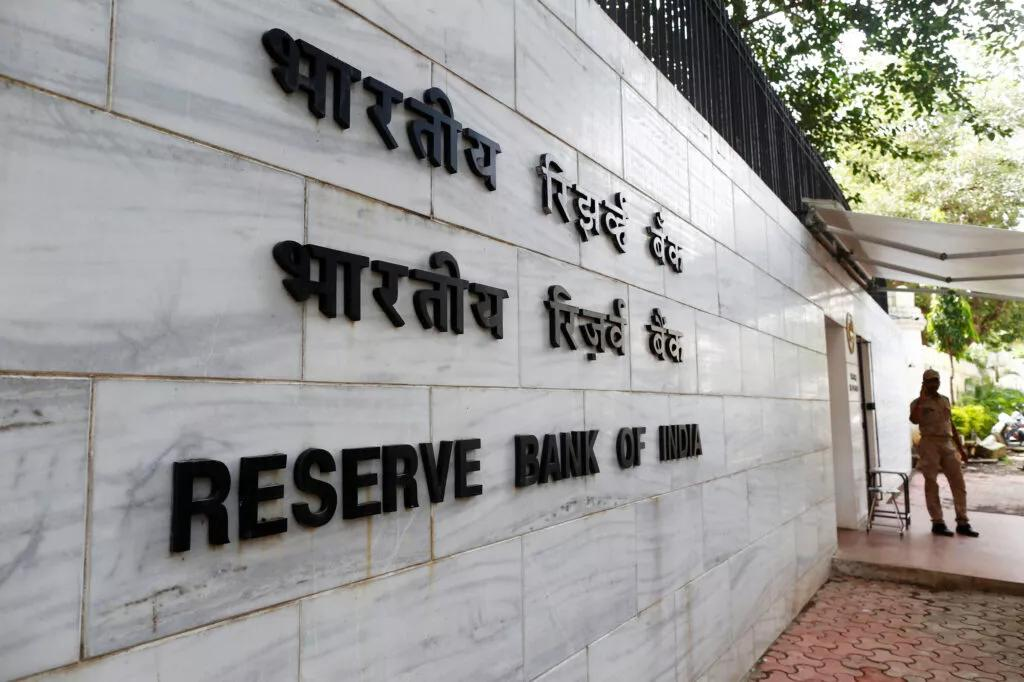
The Reserve Bank of India (RBI) on Wednesday issued final amendment directions allowing commercial banks to lend to Real Estate Investment Trusts (REITs) and Infrastructure Investment Trusts (InvITs), marking a significant step towards strengthening financing avenues for the real estate and infrastructure sectors.
The revised framework was finalised after the central bank incorporated feedback received from stakeholders on the draft guidelines released earlier.
While expanding lending opportunities, the RBI has retained key prudential safeguards to ensure that banks maintain sound risk management practices. These safeguards relate to:
- Exposure limits,
- Asset quality classification, and
- Repayment structures.
Overseas Branches Allowed Under Conditions
Among the major changes introduced, the RBI has permitted overseas branches of Indian banks to participate in financing arrangements involving REITs through syndication structures.

However, such participation will be subject to strict conditions:
- Overseas branches can contribute up to 20 per cent of the total financing under the syndication arrangement.
- These exposures will attract a 150 per cent risk weight, reflecting the higher prudential requirements associated with such lending.
Boost for REITs and InvITs
The move is expected to improve access to institutional credit for Real Estate Investment Trust (REITs) and Infrastructure Investment Trust (InvITs), which have emerged as important channels for mobilising long-term capital.
REITs pool investments in income-generating real estate assets such as office spaces, shopping centres, and commercial properties, while InvITs facilitate investments in infrastructure projects including roads, transmission lines, renewable energy assets, and other public utilities.
Balancing Growth and Stability
By retaining prudential safeguards, the RBI has sought to strike a balance between supporting economic growth and preserving the stability of the banking system.
Industry experts believe the revised norms could:
- Enhance liquidity for infrastructure and real estate projects,
- Encourage greater participation by banks in structured financing,
- Strengthen the investment ecosystem for REITs and InvITs, and
- Facilitate the recycling of capital into productive sectors of the economy.
The final directions also provide greater regulatory clarity to banks and market participants regarding permissible exposures and risk treatment.
Implications for the Financial Sector
The decision comes at a time when India is seeking to accelerate infrastructure development and deepen its capital markets. Improved financing access for REITs and InvITs is expected to support investment in sectors critical to the country’s long-term growth objectives.
Analysts noted that the RBI’s calibrated approach reflects confidence in the evolving maturity of these investment vehicles while ensuring that banks remain adequately protected against potential risks.
The amended directions are expected to further strengthen India’s financial architecture by promoting diversified funding sources without compromising prudential discipline.