Business
India Advances Clean Energy Goals with Defence-Led Solar Project
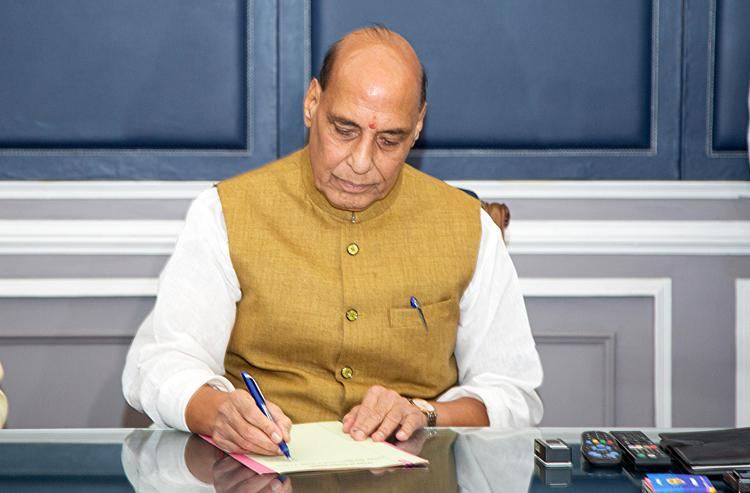
Defence Minister Rajnath Singh has approved the establishment of a 250 MW solar power project in Uttar Pradesh’s Sitapur district. The initiative marks a major milestone in the Defence Ministry’s renewable energy efforts and is the first large-scale solar project with integrated battery storage to be developed on defence land.

In a significant push towards clean energy adoption, Defence Minister Rajnath Singh has approved the establishment of a 250-megawatt solar power project in Sitapur.
According to the Ministry of Defence, the project will be developed on approximately 850 acres of vacant defence land and represents a major step towards promoting renewable energy while ensuring optimum utilisation of underutilised land assets.

The ministry described the initiative as the first-of-its-kind project undertaken on defence land involving the development of a large-scale solar power generation facility integrated with a Battery Energy Storage System (BESS). The inclusion of battery storage technology is expected to improve grid stability and enable the storage of surplus electricity generated during peak sunlight hours for use when demand rises.
Officials noted that the project aligns with the government’s broader objectives of enhancing energy security, reducing dependence on fossil fuels, and accelerating India’s transition towards sustainable energy sources. It also reflects the Defence Ministry’s commitment to supporting national climate goals through innovative infrastructure initiatives.
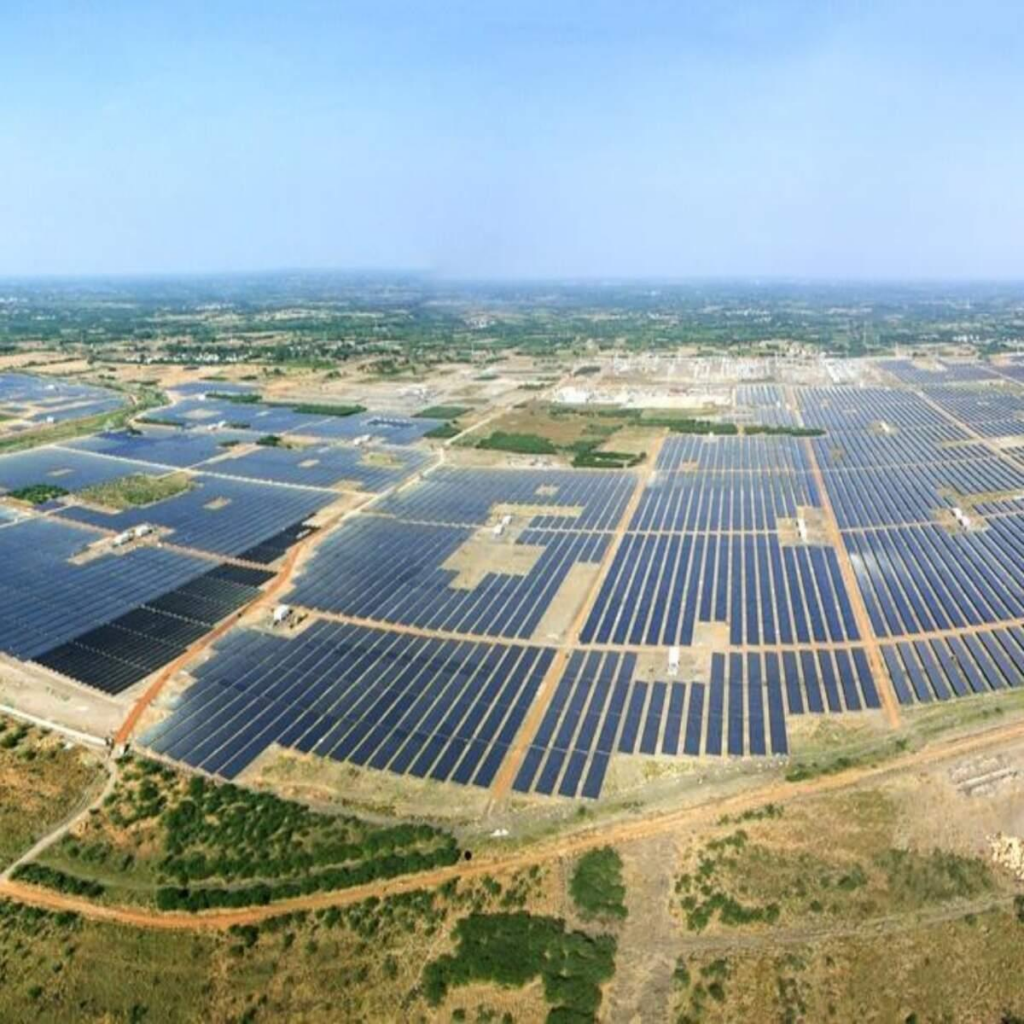

The proposed solar facility is expected to generate substantial quantities of clean electricity, contributing to reduced carbon emissions and supporting the country’s expanding renewable energy capacity. The effective utilisation of vacant defence land is also being seen as a model that could be replicated in other locations for future green energy projects.
Battery Energy Storage Systems have increasingly become an integral part of renewable energy infrastructure, enabling efficient energy management and ensuring uninterrupted power availability. The integration of BESS with the Sitapur project is expected to enhance operational efficiency and maximise the utility of solar generation.
The approval underscores India’s growing emphasis on sustainable development and positions the Defence Ministry as an active participant in the country’s renewable energy transformation.
