News
AI Technology Helps Boost Great Indian Bustard Numbers
Conservation Programme Pushes Total GIB Population at Breeding Centres to 86

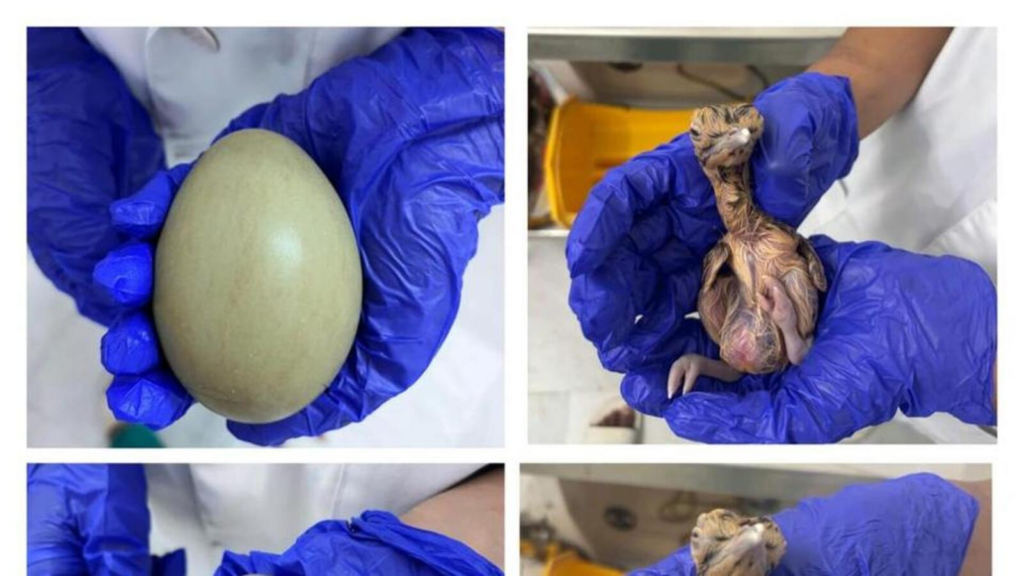
In a significant achievement for the conservation of the critically endangered Great Indian Bustard, two new chicks have hatched at the Ramdevra and Sudasari breeding centres in Jaisalmer using Artificial Insemination (AI) technology.
With the latest births, the total GIB population across facilities managed by the Wildlife Institute of India (WII) has risen to 86.
According to BM Gupta, the 2026 breeding season officially began in March and has since witnessed steady growth in the bird population across both breeding centres.

Officials said that 18 Great Indian Bustards have been born so far during the current breeding season. Of the total 86 birds, 61 are housed at the Ramdevra breeding centre while 25 are at the Sudasari facility.
The two latest chicks were born on May 10 at Ramdevra and May 11 at Sudasari, both through the use of Artificial Insemination techniques. Conservation experts consider the successful use of AI technology a major breakthrough in efforts to revive the population of one of India’s rarest bird species.
The Great Indian Bustard is native to the grasslands and arid regions of India and faces severe threats from habitat loss, collisions with power lines, and declining breeding numbers. Conservation breeding programmes in Rajasthan are considered critical to preventing the species from becoming extinct.
