Kolkata
Bengal Muslims Respond Cautiously to BJP’s Rise in State
Suvendu Adhikari’s swearing-in as West Bengal’s first BJP chief minister sparks anxiety, pragmatism and guarded hope among many residents

As evening descended over Metiabruz on May 9, television screens inside packed restaurants and homes repeatedly showed visuals of Suvendu Adhikari taking oath as West Bengal’s first chief minister from the Bharatiya Janata Party.
For many residents across Muslim-majority neighbourhoods in Kolkata and several districts, the moment marked a major political shift in a state long associated with strong anti-BJP political sentiment.
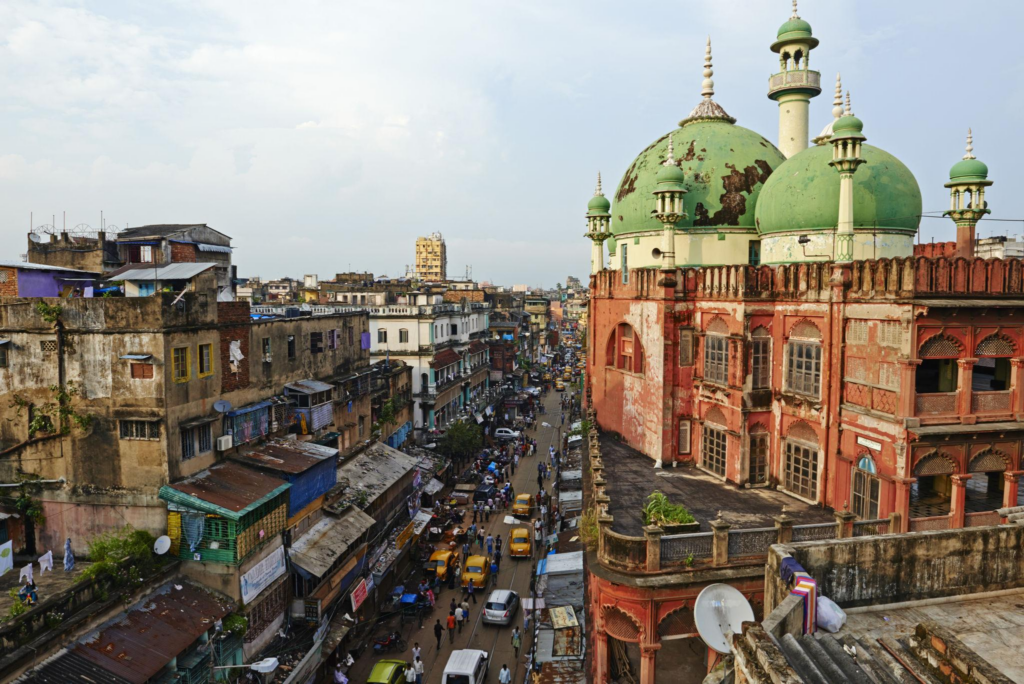
The reaction in several communities was subdued rather than confrontational. Conversations reflected a combination of concern, uncertainty, cautious optimism, and a pragmatic wait-and-watch approach as people assessed what the new political landscape could mean for their future.


Muslims make up nearly 30 per cent of West Bengal’s population, making the community an important social and political constituency in the state. Many residents expressed apprehension about issues related to social harmony, representation, and governance under a BJP-led administration.

At the same time, some voices within the community emphasised the importance of giving the new government an opportunity to govern, while hoping that development, employment, and public welfare would remain priorities.
Political observers say the BJP’s rise to power in West Bengal represents a historic transformation in the state’s electoral politics, ending decades of dominance by regional and Left-oriented political forces.
Across markets, tea stalls, and residential neighbourhoods, discussions continued late into the night as residents closely followed the political transition unfolding in the state.