Business
RBI Removes NPA Provisioning Condition in Capital Calculation Rules
Revised rules allow banks greater flexibility in recognising quarterly profits for CET1 capital and CRAR computation

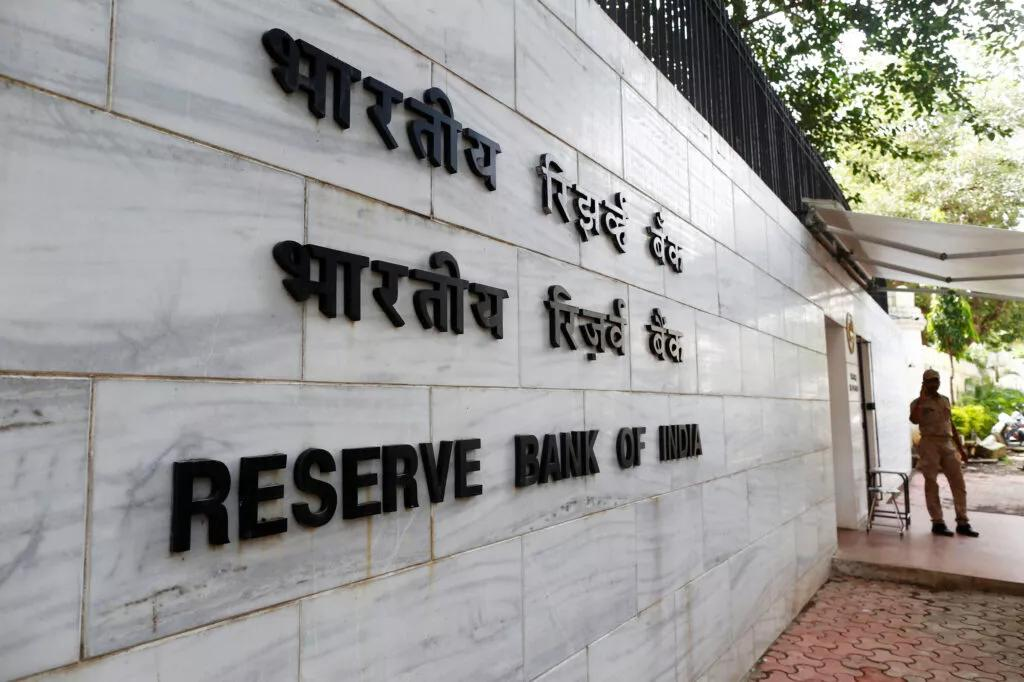
The Reserve Bank of India has issued amended directions easing the rules for banks to include quarterly profits in Common Equity Tier 1 (CET1) capital while calculating their Capital to Risk Weighted Assets Ratio (CRAR).
The revised guidelines apply to commercial banks, small finance banks, and payments banks, and have come into effect immediately.
Under the earlier framework, banks were permitted to include current-year profits in CRAR calculations on a quarterly basis only if the incremental provisioning for non-performing assets (NPAs) during any quarter of the previous financial year did not exceed a deviation threshold of 25 per cent from the annual average.

The RBI said the updated directions remove this qualifying condition linked to NPA provisioning. The move follows a review process and feedback received from stakeholders regarding draft norms released on April 8, 2026.
As per the revised framework, banks can now include quarterly profits for CET1 capital calculations provided their financial statements undergo an audit or limited review every quarter.
The amount eligible for inclusion will be calculated through a formula based on the bank’s net profit and the average dividend payout ratio over the preceding three financial years.
The central bank issued separate amendment directions for different categories of banks under powers granted by the Banking Regulation Act, 1949.
Industry experts believe the revised norms could improve capital management flexibility for banks and streamline regulatory compliance processes, while still maintaining oversight through quarterly audits and reviews.