News
Thousands of Indians in Israel Affected by Continued Flight Suspension
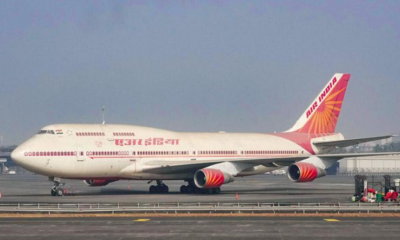
Air India has prolonged the suspension of its Tel Aviv-Delhi services until July 31, citing continuing geopolitical uncertainties in West Asia, while thousands of Indians in Israel face travel disruptions and rising transportation costs.

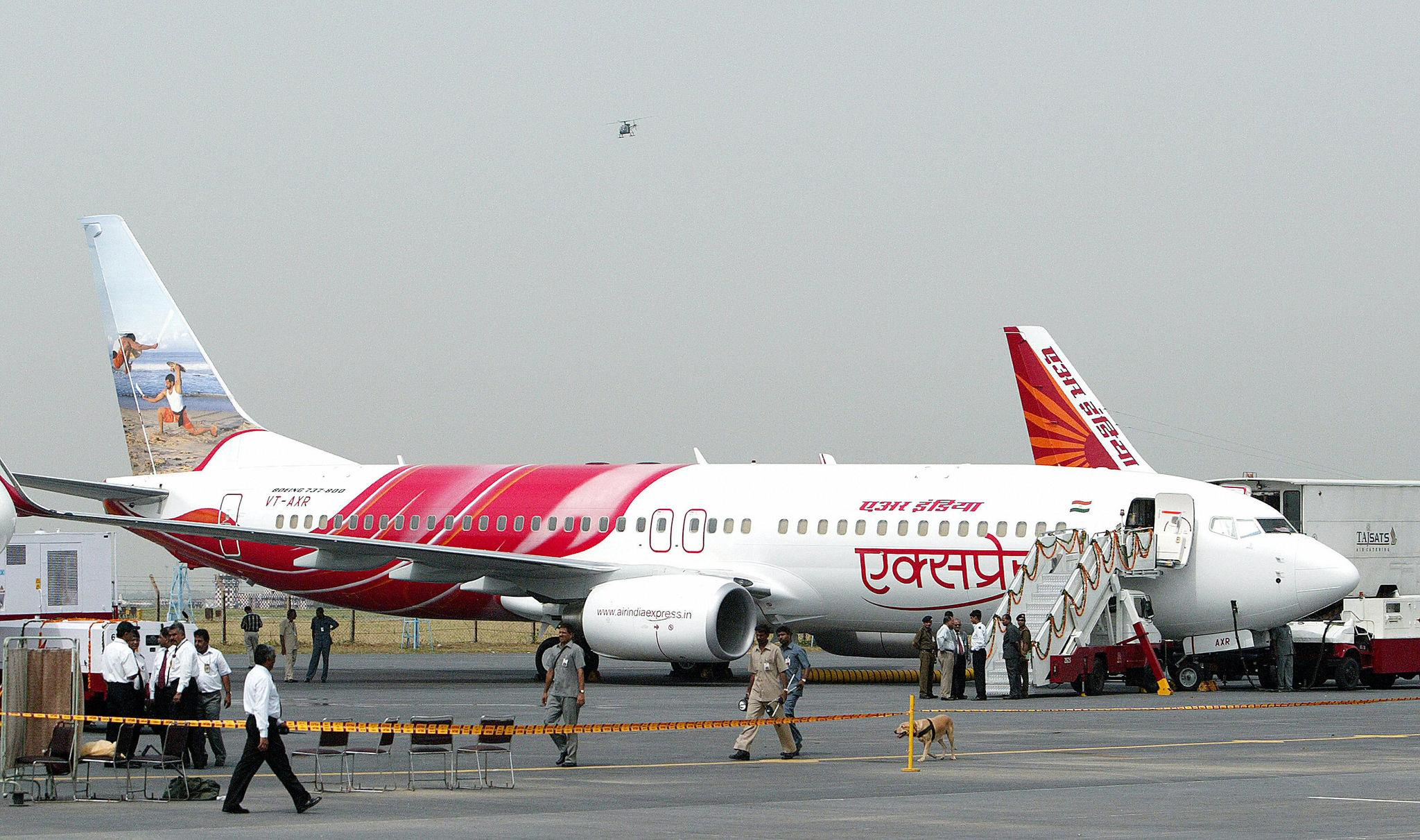
Air India has extended the suspension of its flights to Israel until the end of July, citing ongoing geopolitical uncertainties in West Asia.
The airline had previously suspended operations on the Tel Aviv–Delhi route until the end of June. However, a senior Air India official confirmed that the suspension has now been extended as a precautionary measure in view of the evolving security situation in the region.
The decision comes amid continuing concerns related to tensions in West Asia, which have disrupted international aviation operations and forced several carriers to reassess flight schedules and route planning.
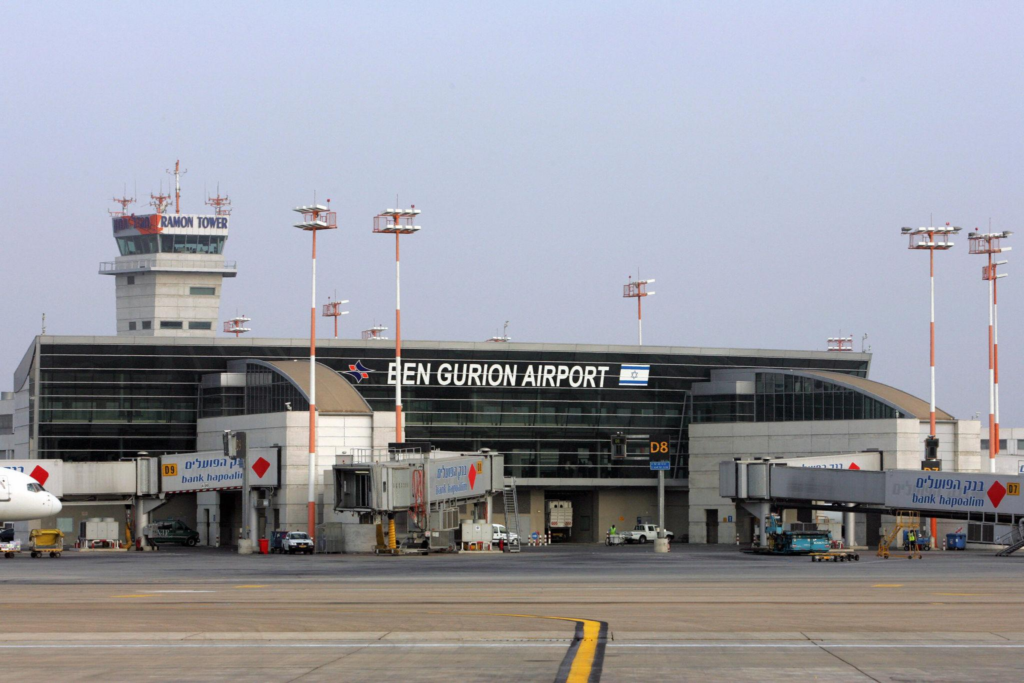
Airlines operating in the region have been facing multiple challenges, including higher fuel costs, airspace restrictions, rerouting requirements, and increased operational expenses. Although the ceasefire between the United States and Iran has held for some time, uncertainty regarding the broader regional situation continues to affect airline operations.
Like many international carriers, Air India has chosen to maintain the suspension of services to Tel Aviv amid safety and operational considerations.
The move has created difficulties for more than 40,000 Indians residing in Israel, many of whom rely on direct connectivity for personal, professional, and emergency travel needs.
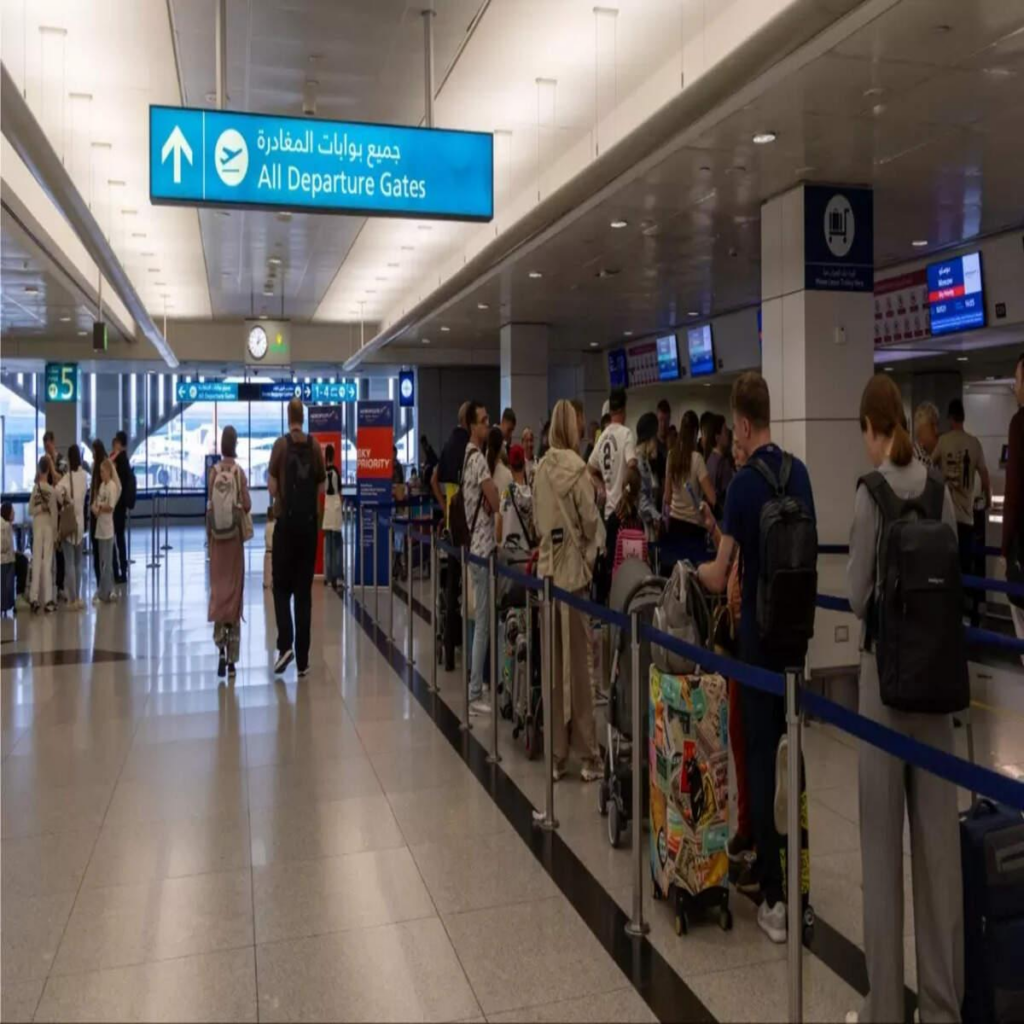
With direct flight options remaining limited, travellers are increasingly dependent on connecting routes through third countries, often resulting in significantly higher travel costs and longer journey times. Indian workers and expatriates in Israel have expressed concerns about the financial burden and uncertainty caused by the prolonged suspension.
Industry experts say airlines will continue to closely monitor developments in West Asia before making decisions on the resumption of normal services.