News
US Lawmaker Calls for Major Changes to Employment-Based Visa Policies
A Republican congressman has introduced legislation that could significantly reshape the United States’ employment-based immigration system. The proposal aims to restrict the H-1B visa programme, eliminate post-study work opportunities for foreign graduates, and prioritize American workers in STEM fields.

Chip Roy, a Republican lawmaker in the United States Congress, has introduced the American White-Collar Worker Jobs Act, a draft bill that proposes sweeping changes to the country’s H-1B visa programme and employment-based immigration policies.
The legislation seeks to end the use of the H-1B visa as a pathway to permanent residency in the United States. It also proposes eliminating the Optional Practical Training (OPT) programme, which currently allows international students studying in the US to gain temporary work experience after completing their degrees.

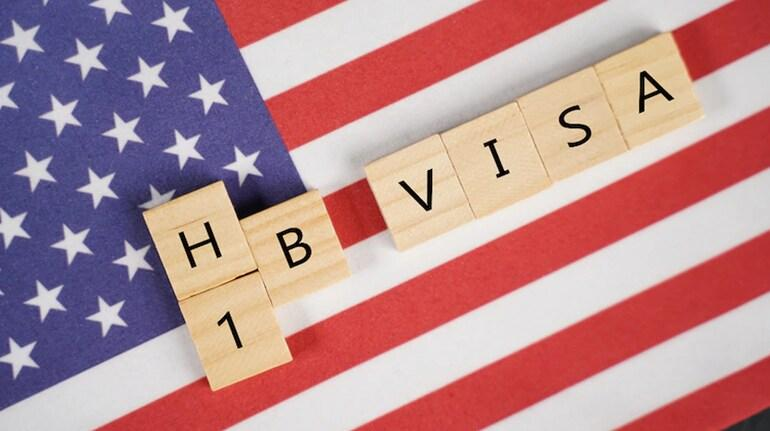
According to Roy, the existing H-1B framework has been misused for decades, enabling employers to hire lower-cost foreign workers while overlooking qualified American professionals. He argued that the programme has contributed to wage suppression and job displacement in sectors such as science, technology, engineering, and mathematics (STEM).


If enacted, the proposal would represent one of the most significant changes to US skilled-worker immigration policies in recent years. The H-1B programme is widely used by technology firms, healthcare providers, research institutions, and multinational corporations to recruit highly skilled professionals from around the world, particularly from countries such as India and China.

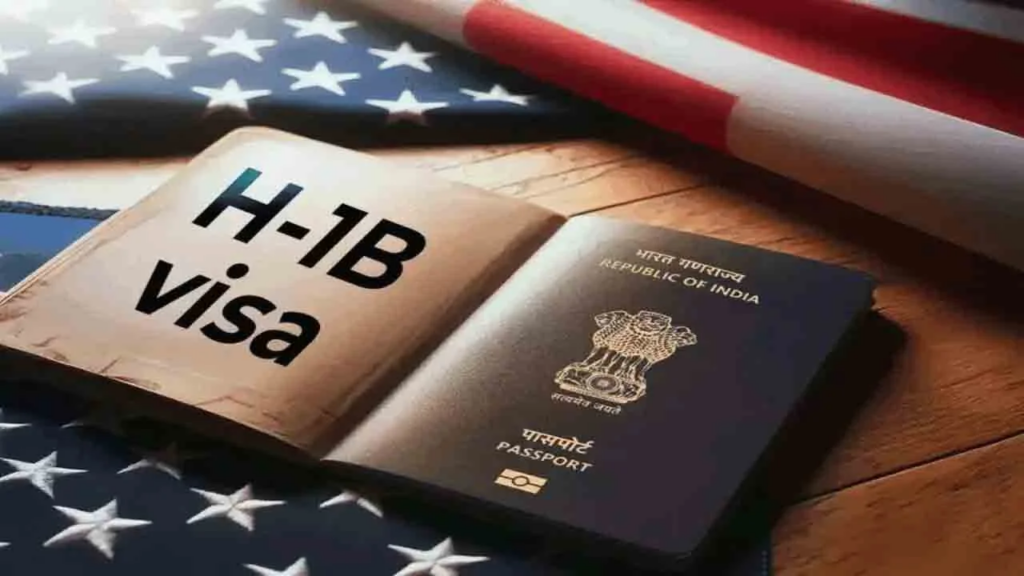
The bill is expected to spark intense debate among lawmakers, industry leaders, universities, and immigrant advocacy groups. Supporters argue that stricter rules would protect American workers and encourage domestic hiring, while critics contend that limiting access to global talent could reduce innovation and weaken the competitiveness of US businesses.
As the proposal moves through the legislative process, its prospects remain uncertain. Any major changes to the H-1B programme would require approval from both chambers of Congress and the President before becoming law. For now, the measure has renewed discussion about the balance between workforce protection and the need for skilled international talent in the US economy.