Crime
Public Health Concerns Prompt One-Year Tobacco Food Product Ban
The Nagaland government has imposed a one-year ban on the manufacture, sale, storage, transportation, distribution, and packaging of all food products containing tobacco or nicotine. The move aims to protect public health, particularly among children and young adults.

The Government of Nagaland has imposed a one-year statewide ban on the manufacture, processing, packaging, storage, transportation, distribution, and sale of all food products containing tobacco or nicotine.
The order was issued by the state’s Commissioner of Food Safety in the interest of public health and in accordance with the provisions of the Food Safety and Standards Act, 2006, relevant regulations, and directions issued by the Supreme Court.
The ban covers a wide range of products, including:
- Gutkha
- Pan masala containing tobacco or nicotine
- Flavoured and scented chewable tobacco products
- Any food item containing tobacco or nicotine
- Products sold separately but intended to be mixed and consumed together

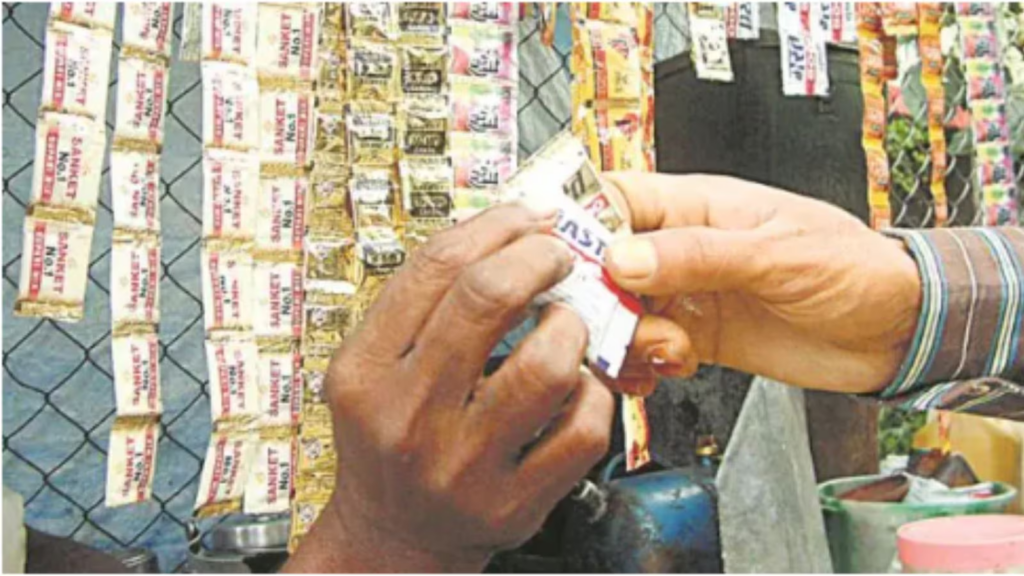
The order applies to both packaged and unpackaged products marketed for consumption.
According to the Department of Health and Family Welfare, Nagaland, the widespread use of tobacco-containing food products poses significant health risks, particularly among children, adolescents, and young adults.
Health experts have long linked smokeless tobacco products such as gutkha and flavoured chewing mixtures to serious medical conditions, including oral cancer, cardiovascular diseases, gum disorders, and addiction.
The state government stated that the prohibition is aimed at reducing the availability and consumption of such harmful products and strengthening public health protections across Nagaland.
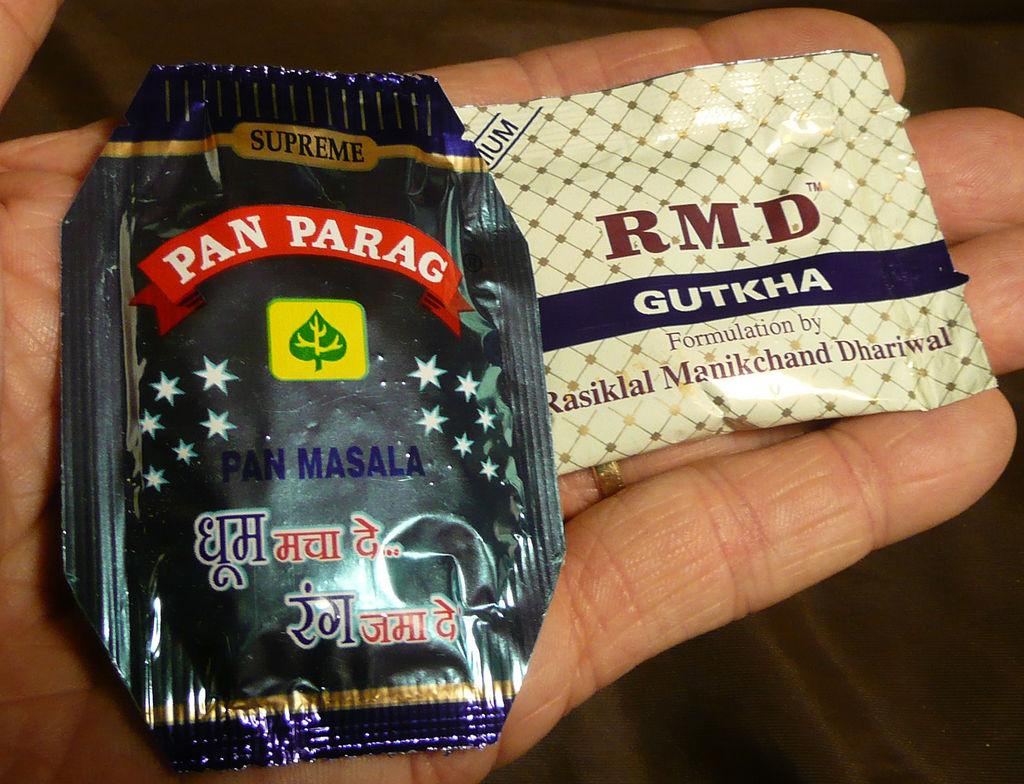

Authorities are expected to conduct enforcement drives and inspections to ensure compliance with the ban. Violations may attract action under applicable food safety and public health regulations.
The decision places Nagaland among the states taking stricter measures to curb the use of tobacco-based food products and aligns with broader national efforts to reduce tobacco consumption and its associated health burden.